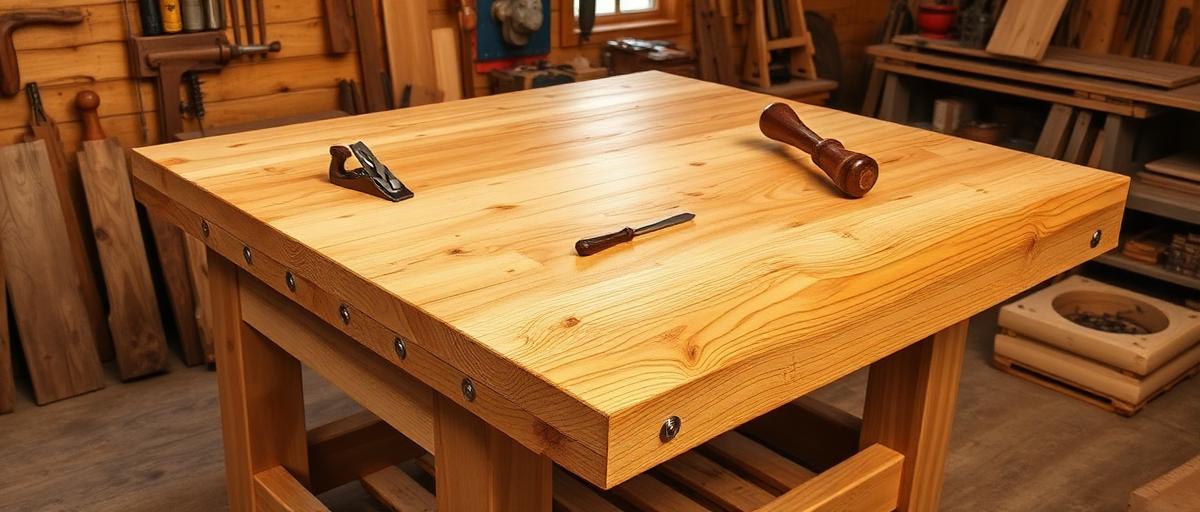
Understanding Master craftsman workbench secrets interview
When it comes to master craftsman workbench secrets interview, having the right knowledge and approach makes all the difference between a successful project and a frustrating experience. This comprehensive guide covers everything you need to know, from fundamental concepts to advanced techniques that professional woodworkers use daily.
Many woodworkers, both beginners and experienced, struggle with this particular aspect of bench building. The information scattered across forums and videos can be contradictory and incomplete. That is why we have created this definitive resource, drawing on decades of combined woodworking experience and feedback from our community of over 16,000 builders.
Key Principles and Best Practices
Success with master craftsman workbench secrets interview starts with understanding a few core principles. First, always measure twice and cut once. This applies not just to lumber, but to planning, layout, and assembly as well. Second, use the right materials for your specific situation. What works in a dry climate may not perform well in a humid environment.
Third, do not rush the process. Quality woodworking rewards patience. Each step builds on the previous one, and taking shortcuts early will create problems later. Our plans are designed to be followed in sequence, with each step clearly explained and illustrated.
Materials and Tools You Will Need
- Quality measuring tools including a combination square and tape measure
- Appropriate lumber or sheet goods based on your chosen design
- Basic hand tools: chisels, hand plane, mallet, and clamps
- Power tools as needed: drill/driver, circular saw, and sander
- Safety equipment: eye protection, hearing protection, and dust mask
Step by Step Process
The process for mastering master craftsman workbench secrets interview follows a logical progression that builds your skills gradually. Start by gathering all your materials and tools. Having everything at hand before you begin prevents frustrating interruptions mid project.
Next, study the plans carefully. Familiarize yourself with the terminology and dimensions. If you are new to woodworking, our glossary section at the bottom of each guide explains technical terms in plain language.
Common Mistakes to Avoid
Over years of teaching woodworking, we have identified the most common mistakes that beginners make. The number one error is not checking for square during assembly. A bench that is even slightly out of square will cause problems with every project you build on it.
Another frequent mistake is choosing the wrong type of fastener or adhesive. Not all wood glues are created equal, and screws come in many varieties suited to different applications. Our plans specify exactly what to use at each step.
Expert Tips for Better Results
Professional woodworkers have tricks that make their work faster and more accurate. One of the most valuable is to create a story stick, a single piece of wood with all your critical measurements marked on it. This eliminates the error that accumulates when you measure each piece individually from a tape measure.
Another pro tip is to do a dry assembly before applying any glue. This lets you verify that everything fits correctly and gives you practice with the clamping sequence. Once glue is applied, you have limited time to make adjustments.
Related Resources
Explore all DIY workbench plans
You might also enjoy: Why Mass Matters: The Case for a Heavy Workbench
You might also enjoy: Using Solid Wood Beams for Workbench Construction
You might also enjoy: Maple vs Beech vs Oak: Which Is the Hardest Wood for a Workbench?
You might also enjoy: Traditional Joinery Techniques for a Screwless Workbench
You might also enjoy: How to Install Dog Holes and Bench Dogs on Your Workbench
You might also enjoy: DIY Planing Stop: How to Make and Use One Correctly
You might also enjoy: How to Flatten a Solid Wood Workbench Top Like a Pro
You might also enjoy: Detailed Cost Estimate for Building a Heavy Duty Workbench
You might also enjoy: Setting Up a Heavy Duty Workbench for Left Handed Woodworkers
Frequently Asked Questions
This guide provides comprehensive coverage of master craftsman workbench secrets interview, including practical tips, step by step instructions, and expert recommendations to help you succeed in your woodworking project.
Most techniques covered in this guide can be accomplished with basic woodworking tools. We list specific tool requirements at the beginning of each section so you can prepare accordingly.
This article is part of our comprehensive Heavy duty workbench plans series. It provides focused, in depth coverage of a specific aspect that contributes to the broader topic.
Absolutely. We have written this guide with beginners in mind, breaking down complex concepts into simple, actionable steps. Experienced woodworkers will also find advanced tips throughout.
Visit our complete Heavy Duty Workbench for Hand Tools: Build Plans guide for the full overview, or return to our homepage for all available workbench plans and resources.
