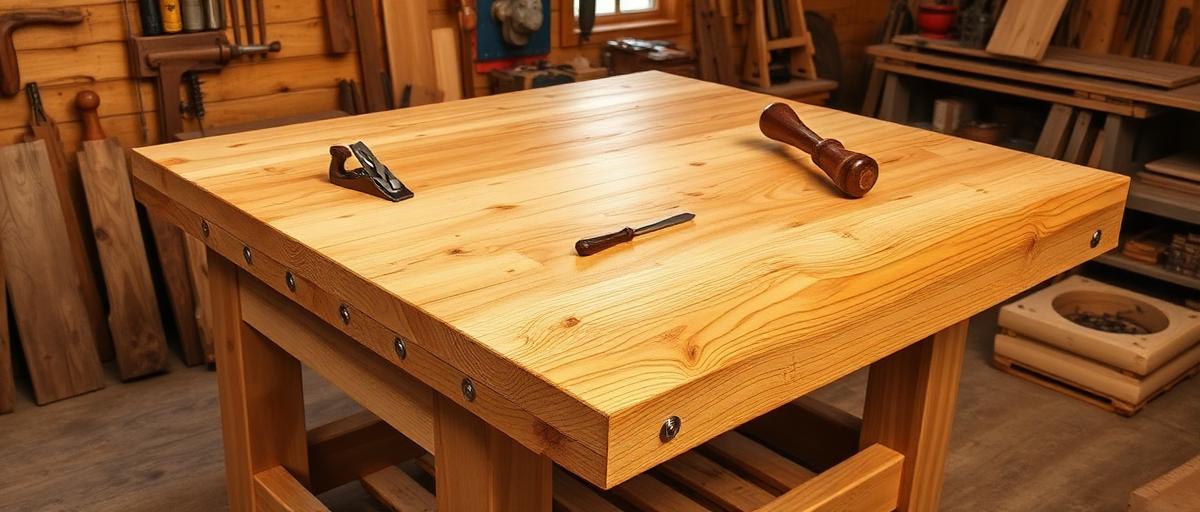
If you are serious about hand tool woodworking, you need a bench with serious mass. A heavy duty workbench absorbs mallet blows, resists planing forces, and stays planted while you chisel dovetails. This guide covers everything from wood selection to traditional joinery techniques that will give you a bench built to last a lifetime.
Why This Guide Matters for Your Woodworking Journey
Selecting the right workbench design is a decision that will affect every project you undertake for years to come. The wrong choice can lead to frustration, wasted materials, and even physical discomfort. This guide is built on real world testing and feedback from thousands of woodworkers across the globe.
Whether you are just starting your woodworking journey or looking to upgrade your existing setup, understanding the nuances of different bench designs will save you time, money, and effort. We have compiled the most comprehensive resource available, covering everything from basic concepts to advanced modifications.
Complete Guide Articles
Dive deeper into specific topics with our detailed support articles:
Why Mass Matters: The Case for a Heavy Workbench
Understand the physics behind why a heavier workbench improves hand tool work. Weight, stability, and vibration dampening explained.
Read More →Using Solid Wood Beams for Workbench Construction
Guide to selecting and preparing solid wood beams for your workbench build. Sizing, drying, and milling tips.
Read More →Maple vs Beech vs Oak: Which Is the Hardest Wood for a Workbench?
Head to head comparison of maple, beech, and oak for workbench tops. Hardness, availability, cost, and workability rated.
Read More →Traditional Joinery Techniques for a Screwless Workbench
Master mortise and tenon, dovetail, and wedged through tenon joints for building a workbench without any metal fasteners.
Read More →How to Install Dog Holes and Bench Dogs on Your Workbench
Complete guide to drilling dog holes and using bench dogs for workholding. Spacing, diameter, and pattern recommendations.
Read More →DIY Planing Stop: How to Make and Use One Correctly
Build a simple planing stop for your workbench. Essential for hand planing boards flat and true without a vise.
Read More →How to Flatten a Solid Wood Workbench Top Like a Pro
Step by step guide to flattening your solid wood workbench top using winding sticks and a hand plane. Achieve a dead flat surface.
Read More →Detailed Cost Estimate for Building a Heavy Duty Workbench
Complete cost breakdown for building a heavy duty solid wood workbench. Material, hardware, and tool costs itemized.
Read More →Setting Up a Heavy Duty Workbench for Left Handed Woodworkers
Specific layout and vise placement recommendations for left handed woodworkers building a heavy duty workbench.
Read More →Master Craftsman Reveals: Secrets to a Workbench That Lasts 50 Years
Exclusive interview with a master craftsman sharing the secrets behind building a workbench that lasts half a century.
Read More →Explore More Workbench Resources
Related: Roubo Style Guide
Related: Vise Installation
Frequently Asked Questions
Understand the physics behind why a heavier workbench improves hand tool work. Weight, stability, and vibration dampening explained.
Guide to selecting and preparing solid wood beams for your workbench build. Sizing, drying, and milling tips.
Head to head comparison of maple, beech, and oak for workbench tops. Hardness, availability, cost, and workability rated.
Master mortise and tenon, dovetail, and wedged through tenon joints for building a workbench without any metal fasteners.
Complete guide to drilling dog holes and using bench dogs for workholding. Spacing, diameter, and pattern recommendations.
